Elevate Your Training with Top Rhythmic Gymnastics Coaches
- Victor Zhou
- Apr 10
- 4 min read

Rhythmic gymnastics is a captivating sport that combines elements of ballet, gymnastics, dance, and apparatus manipulation. It requires not only physical strength and flexibility but also artistic expression and coordination. To excel in this discipline, having the right coach can make all the difference. In this post, we will explore how to elevate your training by learning from some of the top rhythmic gymnastics coaches in the world.
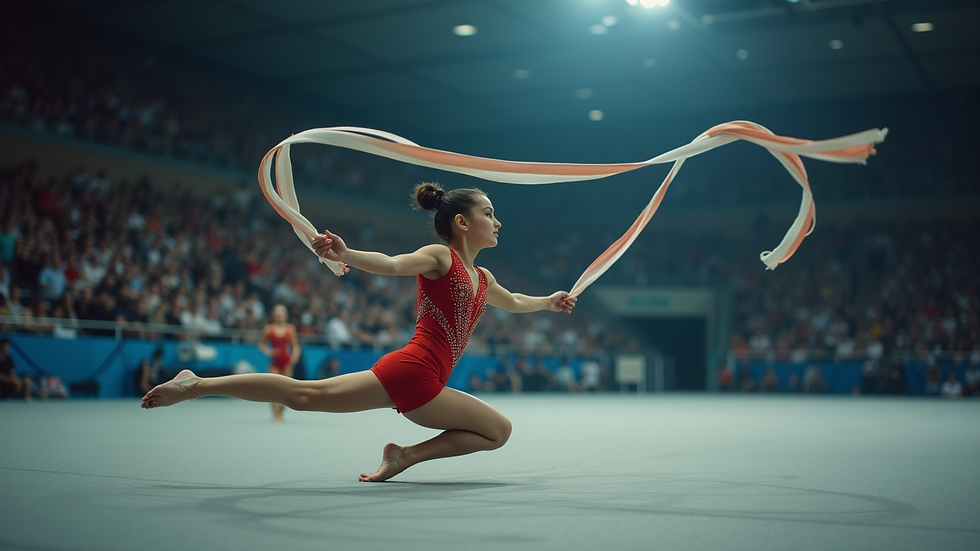
Understanding Rhythmic Gymnastics
Before diving into the coaching aspect, it's essential to understand what rhythmic gymnastics entails. This sport is unique because it incorporates various apparatuses, including:
Ribbons
Hoops
Balls
Clubs
Rope
Each apparatus requires specific skills and techniques, making the role of a coach crucial in developing these abilities. Coaches not only teach the technical aspects but also help athletes cultivate their artistic expression and stage presence.
The Importance of a Good Coach
A good coach does more than just teach skills; they inspire, motivate, and guide athletes through their journey. Here are some key reasons why having a top coach is vital in rhythmic gymnastics:
Expertise and Experience
Top coaches often have years of experience in the sport, either as former athletes or through extensive training. Their expertise allows them to identify strengths and weaknesses in their students, tailoring training programs to meet individual needs.
Personalized Training Plans
Every gymnast is unique, and a one-size-fits-all approach rarely works. A skilled coach will create personalized training plans that focus on an athlete's specific goals, whether it's improving flexibility, mastering a new routine, or enhancing performance under pressure.
Mental Preparation
Rhythmic gymnastics is as much a mental challenge as it is a physical one. Coaches play a crucial role in helping athletes develop mental resilience, focus, and confidence. They teach techniques for managing performance anxiety and maintaining composure during competitions.
Top Rhythmic Gymnastics Coaches to Learn From
1. Irina Viner-Usmanova
Irina Viner-Usmanova is a legendary figure in rhythmic gymnastics, known for her exceptional coaching skills. She has trained numerous Olympic champions and world medalists, including Yana Kudryavtseva and Margarita Mamun. Her coaching philosophy emphasizes the importance of artistry and emotional expression, making her athletes not just skilled performers but also captivating artists.
2. Anna Bessonova
A former Olympic gymnast herself, Anna Bessonova has transitioned into coaching with great success. She focuses on developing a strong foundation in technique while encouraging her athletes to express their individuality. Bessonova's approach combines rigorous training with a supportive environment, allowing gymnasts to thrive both physically and mentally.
3. Ekaterina Selezneva
Ekaterina Selezneva is known for her innovative training methods and emphasis on choreography. She believes that every routine should tell a story, and she works closely with her athletes to develop their artistic skills. Selezneva's coaching style encourages creativity, helping gymnasts to stand out in competitions.
Training Techniques from the Best Coaches
Learning from top coaches involves adopting their training techniques and philosophies. Here are some effective methods that can elevate your rhythmic gymnastics training:
Focus on Flexibility
Flexibility is crucial in rhythmic gymnastics. Coaches often incorporate various stretching routines into training sessions. Techniques such as:
Dynamic stretching before workouts
Static stretching after workouts
Yoga for overall flexibility and balance
These methods help improve range of motion and prevent injuries.
Mastering Apparatus Skills
Each apparatus requires specific skills. Coaches often break down the learning process into manageable steps. For example, when learning ribbon routines, a coach might focus on:
Basic movements first
Coordination drills to enhance control
Combining movements into a full routine gradually
This step-by-step approach ensures that athletes build confidence and competence.
Enhancing Artistic Expression
Artistry is a significant component of rhythmic gymnastics. Coaches encourage athletes to explore their creativity through:
Improvisation sessions to develop personal style
Choreography workshops to learn how to express emotions through movement
Performance practice to simulate competition conditions
These activities help gymnasts develop a unique stage presence that captivates judges and audiences alike.
The Role of Nutrition and Recovery
Training in rhythmic gymnastics is physically demanding, making nutrition and recovery essential components of an athlete's regimen. Coaches often emphasize the importance of:
Balanced Diet
A well-rounded diet supports energy levels and overall health. Coaches may recommend:
Complex carbohydrates for sustained energy
Lean proteins for muscle repair
Fruits and vegetables for vitamins and minerals
Recovery Techniques
Recovery is just as important as training. Coaches often incorporate techniques such as:
Active recovery days with light activities
Massage therapy to relieve muscle tension
Hydration strategies to maintain performance levels
Building a Supportive Training Environment
A positive training environment can significantly impact an athlete's performance. Coaches play a vital role in fostering this atmosphere by:
Encouraging Team Spirit
Creating a sense of camaraderie among gymnasts can enhance motivation. Coaches often organize team-building activities and encourage athletes to support one another during training and competitions.
Providing Constructive Feedback
Feedback is essential for growth. Coaches should focus on providing constructive criticism that helps athletes improve while also recognizing their achievements. This balance boosts confidence and encourages a growth mindset.
Conclusion
Elevating your rhythmic gymnastics training requires dedication, the right techniques, and guidance from top coaches. By learning from the best in the field, you can develop your skills, enhance your artistry, and build a strong foundation for success. Remember, the journey in rhythmic gymnastics is as important as the destination. Embrace the process, stay committed, and let your passion shine through in every performance.
As you continue your training, consider seeking out opportunities to learn from experienced coaches, whether through workshops, camps, or private lessons. Your growth as a rhythmic gymnast is just beginning, and with the right support, the possibilities are endless.


Comments