Joining the Perfect Rhythmic Gymnastics Club: Navigating Rhythmic Gymnastics Training Levels
- Victor Zhou
- 8 minutes ago
- 4 min read

Embarking on the journey of rhythmic gymnastics is a pursuit that demands dedication, artistry, and a structured approach to training. Selecting the ideal environment to cultivate these qualities is paramount. The path to excellence is paved with careful consideration of training levels, coaching expertise, and the nurturing atmosphere that a club provides. As one contemplates joining a rhythmic gymnastics club, understanding the nuances of training progression and the criteria for an optimal club becomes essential.
Understanding Rhythmic Gymnastics Training Levels
Rhythmic gymnastics training is meticulously structured to develop skills progressively, ensuring that each gymnast attains mastery at every stage before advancing. These training levels are designed to build strength, flexibility, coordination, and artistic expression in a balanced manner.
Typically, training begins at the foundational level, where basic apparatus handling and body movements are introduced. As gymnasts advance, they encounter intermediate levels that emphasize complex routines, enhanced flexibility, and precision. The highest levels focus on competitive readiness, incorporating intricate choreography, endurance, and mental resilience.
For example, a gymnast at the beginner level might concentrate on mastering the hoop and ball apparatus, learning fundamental throws and catches. At the intermediate stage, the focus shifts to ribbon and clubs, integrating dynamic movements and synchronization with music. Elite levels demand flawless execution of all apparatus, seamless transitions, and expressive performance that captivates judges and audiences alike.
Selecting a club that offers a clear and comprehensive progression through these training levels is crucial. It ensures that gymnasts receive age-appropriate instruction and are neither rushed nor held back, fostering confidence and sustained growth.

What Age Is Best to Start Rhythmic Gymnastics?
Determining the optimal age to commence rhythmic gymnastics training is a question often posed by parents and aspiring gymnasts alike. While there is no rigid rule, early childhood is generally considered the most advantageous period to begin.
Starting between the ages of 4 and 7 allows young gymnasts to develop fundamental motor skills, flexibility, and coordination during a critical window of physical and cognitive growth. Early exposure to rhythmic gymnastics also nurtures discipline and an appreciation for artistic movement, laying a solid foundation for future advancement.
However, it is equally important to recognize that beginners at older ages can still achieve remarkable progress with dedicated training and the right guidance. The key lies in enrolling in a club that tailors its programs to accommodate varying ages and skill levels, ensuring personalized attention and appropriate challenges.
For instance, a child beginning at age 5 might engage in playful, movement-based classes that emphasize rhythm and basic apparatus handling. Conversely, a newcomer at age 10 may benefit from accelerated training modules that focus on refining technique and building strength.
Evaluating the Ideal Club Environment
The environment in which rhythmic gymnastics training occurs profoundly influences a gymnast’s development. A club that embodies professionalism, warmth, and a commitment to excellence fosters both skill acquisition and personal growth.
Several factors merit consideration when evaluating a club:
Qualified Coaching Staff: Coaches should possess recognized certifications and experience in rhythmic gymnastics. Their ability to provide constructive feedback and inspire gymnasts is indispensable.
Comprehensive Curriculum: The club must offer a structured curriculum that aligns with recognized training levels, ensuring a clear pathway from beginner to elite.
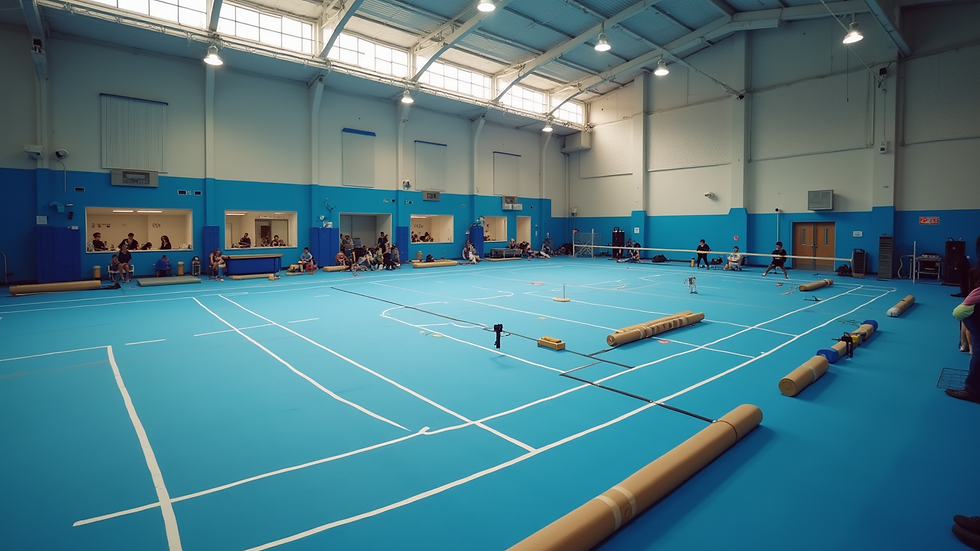
Facilities and Equipment: Adequate space, quality apparatus, and safe flooring contribute to effective and injury-free training.
Supportive Community: A culture that encourages camaraderie, respect, and mutual encouragement enhances motivation and resilience.
Competitive Opportunities: Access to local and international competitions allows gymnasts to test their skills and gain valuable experience.
For example, a club that organizes regular workshops and invites guest coaches from abroad demonstrates a commitment to cultural exchange and broadening gymnasts’ horizons. Such initiatives align with the aspiration to prepare gymnasts for the global stage.
Practical Steps to Join the Right Rhythmic Gymnastics Club
Embarking on the search for the perfect rhythmic gymnastics club involves deliberate steps to ensure alignment with personal goals and values. The following recommendations provide a practical roadmap:
Research and Shortlist: Compile a list of clubs within the region that specialize in rhythmic gymnastics. Review their websites, testimonials, and social media presence.
Visit and Observe: Attend trial classes or open days to observe coaching methods, facility standards, and the general atmosphere.
Consult Coaches: Engage in discussions with coaching staff to understand their philosophy, training approach, and expectations.
Assess Training Levels Offered: Confirm that the club provides a clear progression through training levels suitable for the gymnast’s age and experience.
Evaluate Logistics: Consider location, class schedules, fees, and the club’s policies on safety and injury prevention.
Seek Feedback: Connect with current members or parents to gain insights into their experiences.
By following these steps, one can make an informed decision that balances ambition with practicality, ensuring a rewarding rhythmic gymnastics journey.
Embracing the Journey Beyond Training
Joining a rhythmic gymnastics club is not merely about physical training; it is an invitation to embrace a lifestyle that cultivates discipline, artistry, and cultural appreciation. The journey encompasses personal transformation as much as athletic achievement.
Participation in a well-rounded program nurtures qualities such as perseverance, time management, and teamwork. Moreover, exposure to diverse cultural influences through international competitions and exchanges enriches the gymnast’s worldview.
It is essential to maintain a balanced perspective, recognizing that progress may be gradual and challenges inevitable. The support of a nurturing club environment, combined with personal dedication, paves the way for success both within and beyond the sport.
In this light, the decision to join a rhythmic gymnastics club becomes a commitment to holistic development, preparing gymnasts to confidently perform on the world stage and to carry the values of the sport into all facets of life.
For those seeking a club that embodies these principles, the rhythmic gymnastics club offers a comprehensive program designed to nurture talent from foundational skills to international competitive excellence. It stands as a beacon for aspiring gymnasts in Singapore, fostering discipline, artistry, and cultural exchange in a supportive and professional environment.


Comments