10 Benefits of Rhythmic Gymnastics for Children: Why More Parents Are Choosing This Beautiful Sport
- Victor Zhou
- Jul 4
- 4 min read

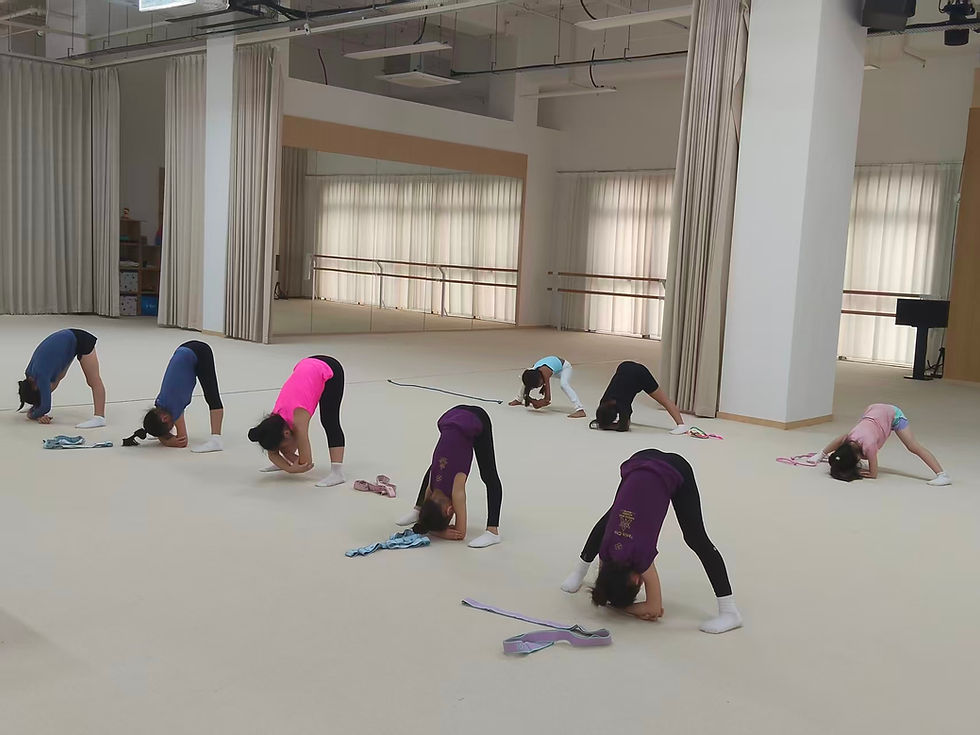
Why Rhythmic Gymnastics Is One of the Best Activities for Growing Kids
As parents, we all want our children to grow into healthy, confident, and well-rounded individuals.
When choosing an extracurricular activity, many families ask:
Is rhythmic gymnastics good for children?
What are the benefits of rhythmic gymnastics?
Is rhythmic gymnastics only for girls who want to compete?
Will my child benefit even if she doesn't become an athlete?
The answer is yes.
Rhythmic gymnastics is much more than an Olympic sport. It is one of the most effective activities for supporting children's physical, emotional, social, and cognitive development.
At AWA Singapore, we specialise in recreational rhythmic gymnastics, helping children build confidence, healthy movement habits, and lifelong skills in a fun and supportive environment.
Here are the 10 biggest benefits of rhythmic gymnastics for children.
1. Improves Flexibility Safely
Flexibility is one of the most recognised benefits of rhythmic gymnastics.
Children gradually improve:
Muscle flexibility
Joint mobility
Range of motion
Movement efficiency
At AWA, flexibility is developed progressively through age-appropriate exercises, ensuring children improve safely without unnecessary strain.
Healthy flexibility also helps reduce stiffness caused by long hours of sitting at school.
2. Builds Strength and Core Stability
Behind every graceful movement is a strong body.
Rhythmic gymnastics develops:
Core strength
Upper-body strength
Lower-body stability
Postural muscles
Rather than using heavy weights, children strengthen their bodies naturally through bodyweight exercises and controlled movement.
A strong foundation supports every other physical skill.
3. Improves Posture
Modern children spend increasing amounts of time:
Sitting in classrooms
Doing homework
Using tablets and phones
Poor posture has become increasingly common.
Rhythmic gymnastics encourages:
Proper spinal alignment
Better body awareness
Stronger back muscles
Elegant posture
Many parents notice improvements in how their children stand, walk, and move after consistent training.
4. Develops Balance and Coordination
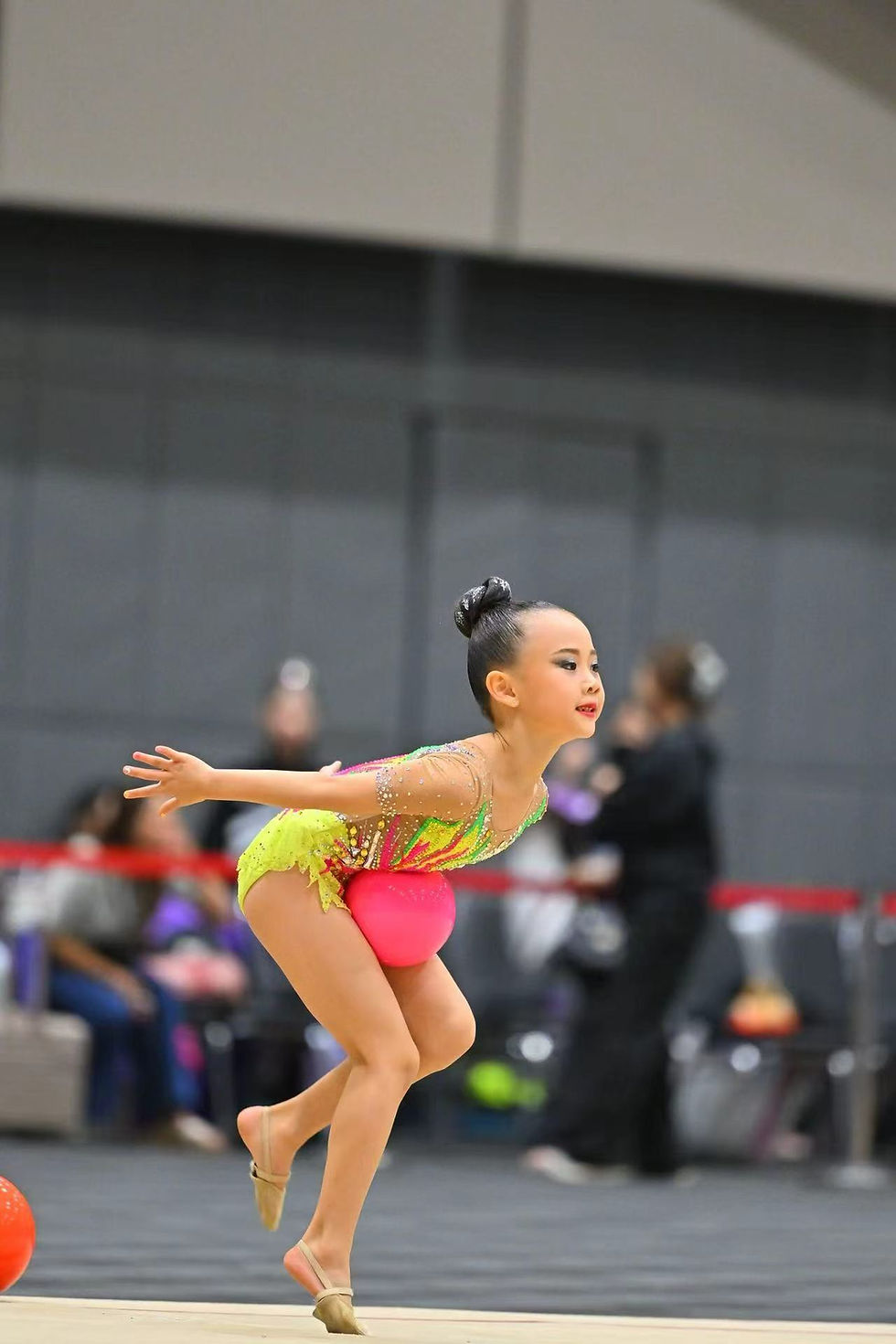
Rhythmic gymnastics combines movement with apparatus such as:
Ribbon
Hoop
Ball
Clubs
Rope
Children learn to coordinate their:
Hands
Feet
Eyes
Body
Rhythm
This improves overall coordination and supports performance in many other sports.
5. Builds Self-Confidence
Confidence doesn't come from being told you're good.
It comes from achieving something through effort.
Each time children:
Learn a new skill
Complete a routine
Improve a movement
Perform confidently
they begin to believe in themselves.
At AWA, we celebrate progress—not perfection.
This helps children develop genuine confidence that extends beyond the gym.
6. Improves Focus and Self-Discipline
Rhythmic gymnastics requires children to:
Listen carefully
Follow instructions
Practise consistently
Stay focused
Correct mistakes
These habits naturally transfer into school, helping children become more organised, attentive, and responsible learners.
7. Encourages Creativity and Artistic Expression
Unlike many sports, rhythmic gymnastics combines athletics with artistry.
Children learn to:
Move with music
Express emotions
Perform creatively
Appreciate rhythm
Develop stage confidence
This unique combination supports both physical and creative development.
8. Builds Resilience and Perseverance
No child masters every skill immediately.
Through regular practice, children learn:
Patience
Persistence
Problem-solving
Positive thinking
Emotional resilience
Instead of fearing mistakes, they begin to see challenges as opportunities to improve.
These lessons benefit them throughout life.
9. Promotes Healthy Habits and Active Lifestyles
Children who enjoy movement are more likely to stay active as they grow.
Rhythmic gymnastics encourages:
Regular physical activity
Healthy routines
Better fitness
Long-term wellbeing
In today's digital world, this is more important than ever.
10. Supports Holistic Child Development
Perhaps the greatest benefit of rhythmic gymnastics is that it develops the whole child.
Children grow physically, mentally, emotionally, and socially.
They develop:
Confidence
Discipline
Teamwork
Independence
Respect
Communication skills
Leadership qualities
These life skills support success far beyond sports.
Why Recreational Rhythmic Gymnastics Is Perfect for Most Families
Many parents assume gymnastics is only for elite athletes.
In reality, most children benefit more from recreational programmes.
At AWA Singapore, children enjoy professional coaching without the pressure of intensive competition.
They can:
Learn at their own pace
Build strong foundations
Enjoy movement
Develop healthy habits
Gain confidence through positive experiences
Because childhood should be about growing—not rushing.
Why Families Choose AWA Singapore
Families choose AWA Singapore because we believe every child deserves the opportunity to thrive.
Our programmes combine international coaching principles with a child-centred approach.
At AWA, children develop:
✔ Flexibility
✔ Strength
✔ Balance
✔ Coordination
✔ Healthy posture
✔ Confidence
✔ Discipline
✔ Creativity
✔ Resilience
✔ Lifelong healthy habits
We focus on recreational rhythmic gymnastics, helping children enjoy movement while developing skills that support success in school and everyday life.
Frequently Asked Questions
Is rhythmic gymnastics suitable for beginners?
Yes.
AWA welcomes children with no previous gymnastics experience.
Our Beginner and Junior programmes are specifically designed to introduce movement safely and confidently.
Does my child need to be flexible before joining?
Not at all.
Flexibility develops gradually through regular training.
Most children improve significantly over time.
Is rhythmic gymnastics only for competition?
No.
Most children participate recreationally to improve fitness, confidence, posture, and coordination.
Competition is entirely optional.
What is the best age to start rhythmic gymnastics?
Most children begin between 3 and 6 years old, although beginners of different ages are always welcome.
Help Your Child Grow Through Movement
Rhythmic gymnastics offers much more than beautiful performances.
It helps children develop stronger bodies, healthier habits, greater confidence, and lifelong resilience.
At AWA Singapore, we are committed to helping every child discover the joy of movement while building skills that support success both inside and outside the gym.
Whether your child wants to stay active, improve posture, make new friends, or simply gain confidence, rhythmic gymnastics provides a strong foundation for lifelong growth.
Book a Trial Class Today
Experience why more families are choosing AWA Singapore for recreational rhythmic gymnastics.
Help your child build confidence, flexibility, strength, and healthy habits—one joyful class at a time.
AWA SingaporeWhere Discipline Meets Warmth.


Comments