Ballet vs Gymnastics: Which Is Better for Your Child in Singapore?
- Victor Zhou
- Jun 26
- 4 min read

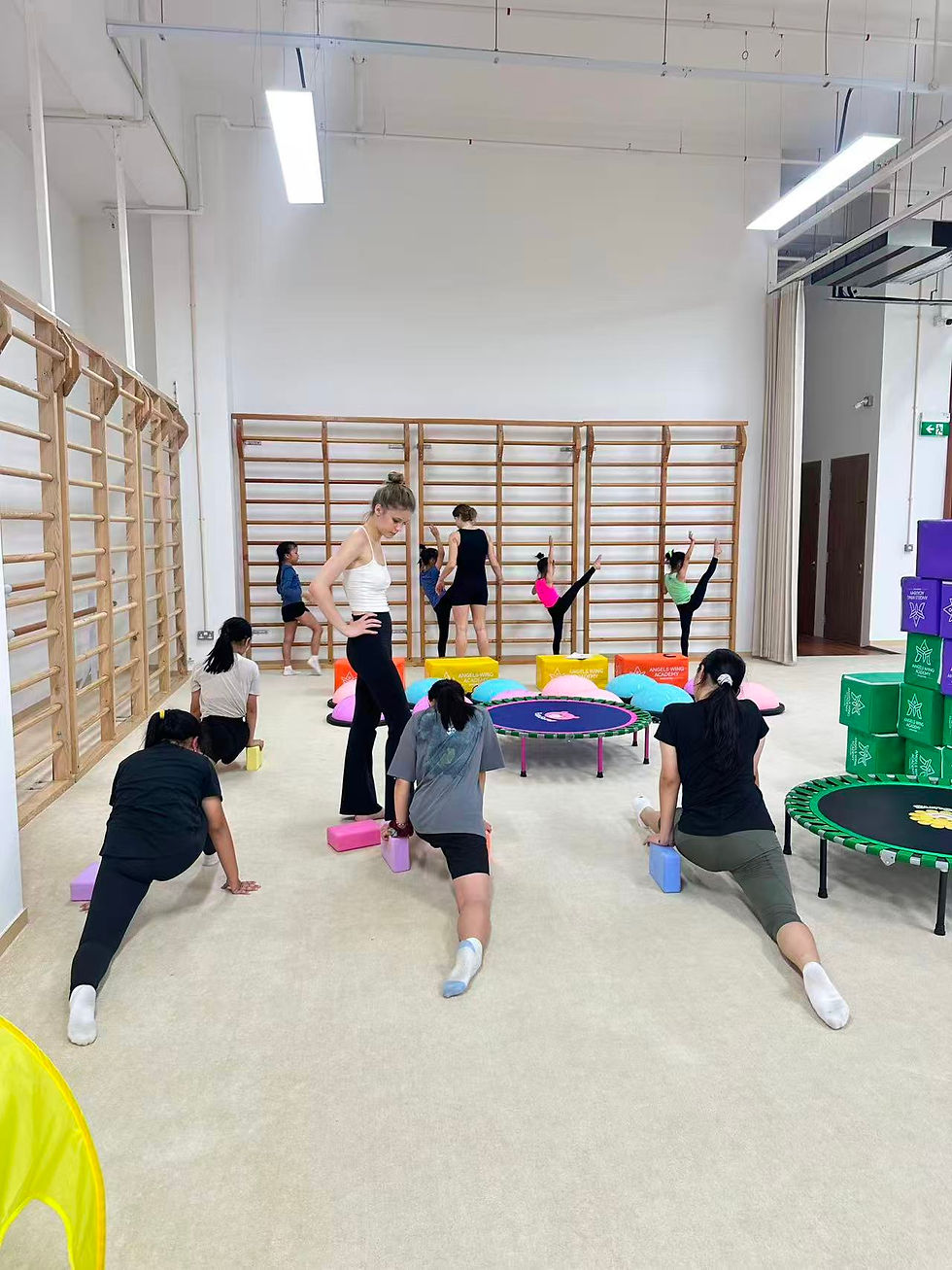
Wondering whether to choose ballet or gymnastics for your child? Many parents in Singapore compare these two popular activities because both help children improve posture, flexibility, coordination, and confidence. However, they offer different experiences and developmental benefits.
If you're searching for the best extracurricular activity for your child, this guide explains the key differences between ballet vs gymnastics, helping you choose the right programme based on your child's personality, interests, and long-term development.
Ballet vs Gymnastics: What’s the Difference?
At first glance, ballet and gymnastics may appear similar.
Both involve graceful movements, flexibility, balance, and discipline. Both also require regular practice and professional coaching.
However, their focus is quite different.
Ballet
Ballet is a performing art that emphasizes:
Musicality
Graceful movement
Technique and posture
Artistic expression
Rhythm and performance
Children learn choreography, movement quality, and body alignment while developing elegance and discipline.
Gymnastics
Gymnastics focuses more on athletic development through movement.
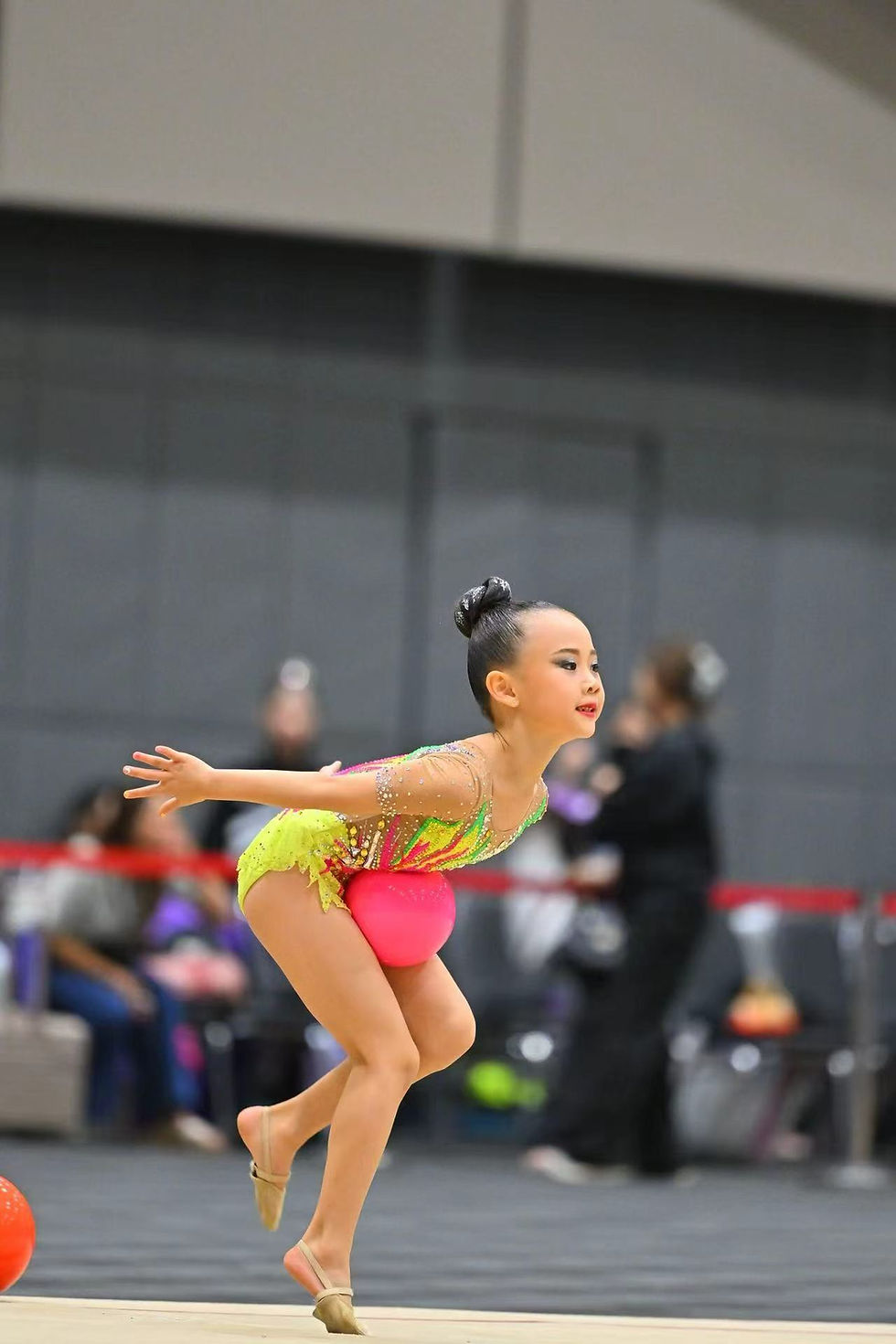
In rhythmic gymnastics, children combine dance, flexibility, strength, and apparatus skills such as ribbon, hoop, ball, clubs, and rope.
Unlike artistic gymnastics, rhythmic gymnastics places greater emphasis on coordination, creativity, flexibility, and musical expression.
At AWA Singapore, our rhythmic gymnastics programmes combine the beauty of dance with the physical benefits of gymnastics, creating a balanced learning experience for children.
Ballet vs Gymnastics: Physical Benefits
Both activities help children become healthier and more active, but they develop different physical abilities.
Ballet develops:
Elegant posture
Musicality
Footwork
Body alignment
Flexibility
Balance
Rhythmic Gymnastics develops:
Flexibility
Core strength
Coordination
Balance
Agility
Body control
Hand-eye coordination
Apparatus handling skills
Because rhythmic gymnastics combines multiple movement patterns, children often develop broader athletic abilities while maintaining graceful movement.
Which Activity Builds More Confidence?
Confidence grows when children overcome challenges.
In ballet, confidence often develops through:
Learning choreography
Performing on stage
Improving technique
Expressing emotions through movement
In rhythmic gymnastics, children experience confidence by:
Mastering new skills
Learning apparatus techniques
Improving flexibility
Completing routines
Solving movement challenges
At AWA, children celebrate every milestone—from their first balance to their first ribbon routine—helping them build genuine confidence through consistent progress.
Ballet vs Gymnastics for Flexibility
Many parents ask:
"Which is better for improving flexibility?"
The answer is that both encourage flexibility, but rhythmic gymnastics places a stronger emphasis on it.
Regular flexibility training in rhythmic gymnastics helps children:
Improve posture
Increase mobility
Enhance body awareness
Reduce stiffness caused by long hours of sitting
Prepare safely for more advanced movements
At AWA, flexibility is developed gradually through age-appropriate training, ensuring every child progresses safely and comfortably.
Which Activity Is Better for Young Children?
For younger children (ages 3–7), both ballet and rhythmic gymnastics offer excellent developmental benefits.
However, rhythmic gymnastics provides a wider variety of movement experiences.
Children learn through:
Running
Jumping
Rolling
Balancing
Stretching
Coordinating with music
Using colourful apparatus
These activities support overall physical literacy while keeping lessons engaging and enjoyable.
Our Beginner and Junior programmes are specifically designed to help children develop healthy movement habits in a fun and supportive environment.
What About Discipline and Focus?
Both ballet and gymnastics teach discipline.
Children learn to:
Listen carefully
Follow instructions
Practise consistently
Respect coaches and classmates
Stay focused during lessons
At AWA, we believe these life skills are just as important as technical ability.
Children who participate in rhythmic gymnastics often develop:
Better concentration
Greater patience
Self-discipline
Emotional resilience
A growth mindset
These qualities support success both inside and outside the gym.
Why Parents in Singapore Choose Rhythmic Gymnastics
Many Singapore families are looking for activities that combine physical development with character building.
Rhythmic gymnastics offers children the opportunity to improve:
Flexibility
Strength
Coordination
Posture
Confidence
Creativity
Discipline
Teamwork
It also provides an excellent balance between sport and artistic expression, making it an ideal choice for children who enjoy movement and creativity.
Why Families Choose AWA Singapore
At AWA Singapore, we believe every child deserves the opportunity to grow through movement.
Our internationally inspired rhythmic gymnastics programmes are designed for children of different ages and experience levels.
Families choose AWA because we offer:
Professional rhythmic gymnastics coaching
Small class sizes with personalised attention
Beginner-friendly programmes
Progressive skill development
Safe and age-appropriate training
A warm, encouraging environment
Opportunities for performances and competitions
Whether your child dreams of competing or simply wants to become stronger and more confident, our programmes support long-term growth at every stage.
Ballet vs Gymnastics: Which One Should You Choose?
The best activity depends on your child's interests and personality.
Choose ballet if your child enjoys:
Classical dance
Performance
Artistic expression
Structured choreography
Choose rhythmic gymnastics if your child enjoys:
Movement and creativity
Learning new skills
Colourful apparatus
Flexibility training
Physical challenges
Dance combined with sport
There is no wrong choice.
Both activities help children grow.
However, rhythmic gymnastics offers a unique combination of athletic development, artistic movement, and character building that many families find especially rewarding.
Frequently Asked Questions
Is rhythmic gymnastics harder than ballet?
Both require dedication and practice. Rhythmic gymnastics combines flexibility, strength, coordination, dance, and apparatus skills, while ballet focuses more on technique, posture, and artistic performance.
Can my child do both ballet and gymnastics?
Yes. Many children benefit from participating in both activities, as the skills complement one another.
What is the best age to start rhythmic gymnastics?
Most children can begin between 3 and 5 years old through beginner programmes focused on movement, coordination, and confidence.
Does my child need to be naturally flexible?
No. Flexibility develops gradually with proper coaching and regular practice.
Book a Trial Class at AWA Singapore
If you're deciding between ballet vs gymnastics in Singapore, why not let your child experience rhythmic gymnastics firsthand?
At AWA Singapore, we help children build flexibility, strength, confidence, discipline, and a lifelong love of movement through professional coaching and a supportive learning environment.
Book a trial class today and discover why more families are choosing AWA for their child's development.
AWA SingaporeWhere Discipline Meets Warmth.


Comments