Exploring Youth Rhythmic Gymnastics Training in Singapore
- Victor Zhou
- Jul 3
- 5 min read

Rhythmic gymnastics is a captivating sport that combines grace, flexibility, and coordination with artistic expression. In Singapore, the pursuit of excellence in this discipline has gained remarkable momentum, especially among the youth. The journey of mastering rhythmic gymnastics begins with foundational training that nurtures both physical prowess and artistic sensibility. This article delves into the landscape of youth rhythmic gymnastics training in Singapore, offering insights into its benefits, ideal starting age, and practical guidance for those embarking on this elegant path.
The Essence of Youth Rhythmic Gymnastics Training
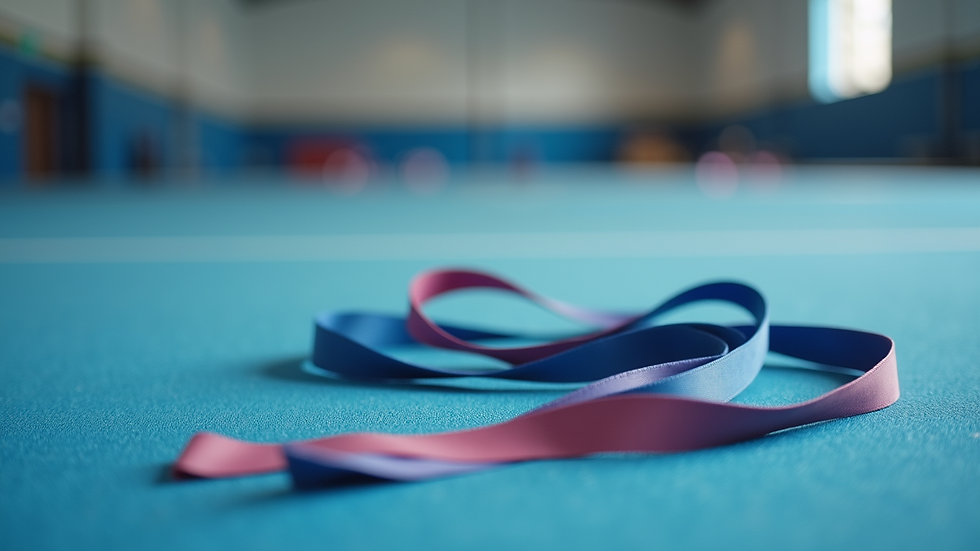
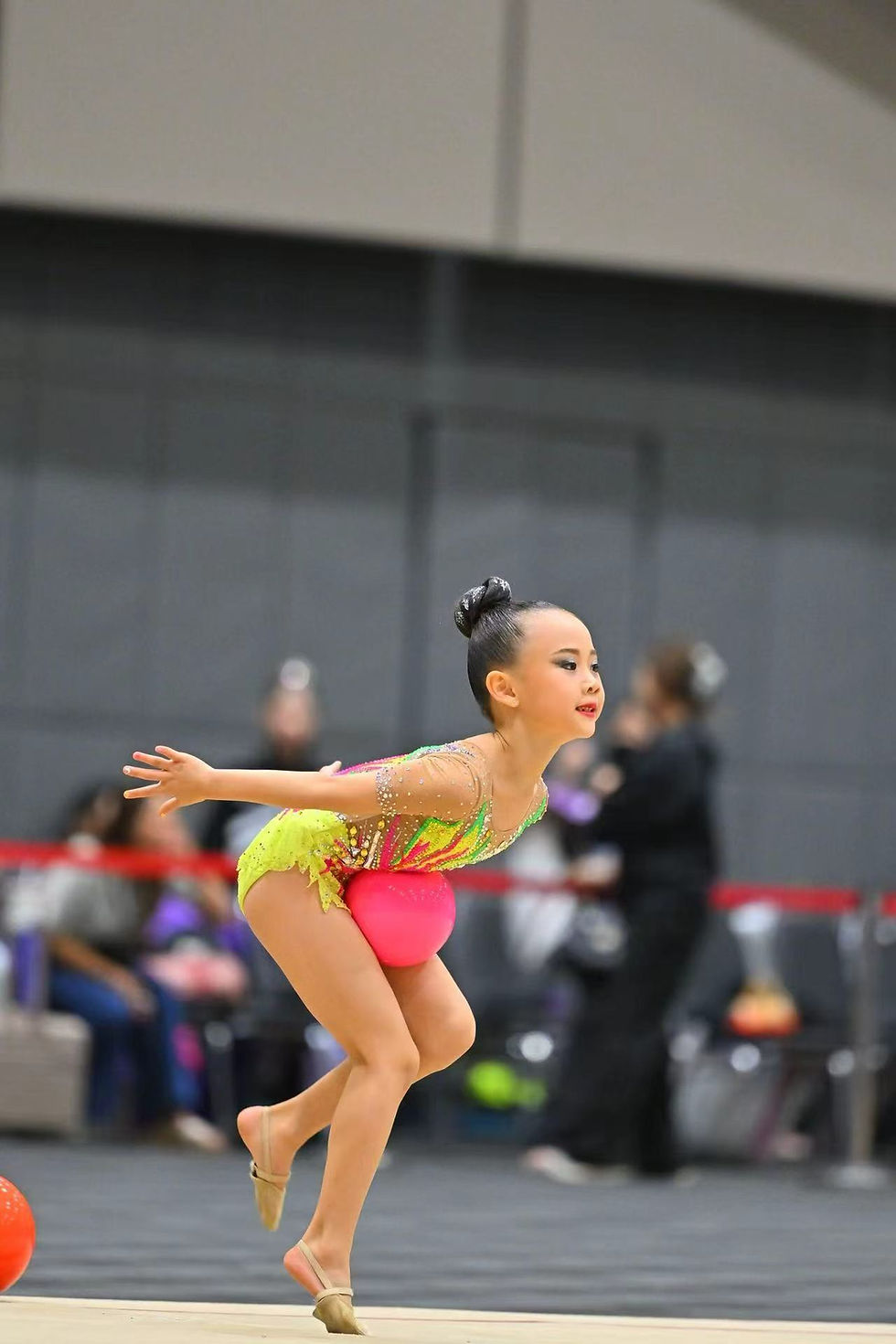
Youth rhythmic gymnastics training in Singapore is designed to cultivate a harmonious blend of athleticism and artistry. The training regimen emphasizes flexibility, balance, and precise body control, while also fostering creativity through the use of apparatus such as ribbons, hoops, balls, clubs, and ropes. This dual focus ensures that young gymnasts develop not only technical skills but also an appreciation for performance aesthetics.
Structured training programs typically begin with basic movement patterns and gradually introduce apparatus handling. Coaches employ a progressive approach, tailoring exercises to the developmental stage of each gymnast. This methodical progression helps prevent injury and builds confidence, allowing young athletes to flourish in a supportive environment.

The benefits of engaging in rhythmic gymnastics extend beyond physical fitness. Participants often experience enhanced concentration, discipline, and self-expression. The sport encourages perseverance and resilience, qualities that serve well in all facets of life. Moreover, rhythmic gymnastics fosters a sense of community and cultural exchange, as young gymnasts often participate in local and international events, broadening their horizons.
The Structure and Curriculum of Youth Rhythmic Gymnastics Training
The curriculum for youth rhythmic gymnastics training in Singapore is thoughtfully structured to balance skill acquisition with artistic development. Training sessions typically encompass warm-up routines, flexibility exercises, apparatus techniques, choreography, and cool-down periods. Each component plays a vital role in the holistic development of the gymnast.
Warm-up exercises focus on increasing blood flow and preparing muscles for the demands of training. Flexibility drills are integral, as they enhance the range of motion necessary for the sport’s signature movements. Apparatus techniques are introduced progressively, starting with simple handling and advancing to complex manipulations and throws.
Choreography sessions are equally important, as they teach gymnasts how to synchronize movements with music, express emotions, and captivate audiences. Coaches often emphasize the importance of posture, facial expression, and fluidity, ensuring that performances are both technically sound and artistically compelling.
Training schedules vary depending on the level of the gymnast, with beginners attending fewer sessions per week and advanced students engaging in more intensive routines. This flexibility allows for a personalized approach, accommodating academic commitments and individual progress.
What Age Is Best to Start Rhythmic Gymnastics?
Determining the optimal age to commence rhythmic gymnastics training is crucial for maximizing potential and ensuring a positive experience. In Singapore, many clubs recommend starting as early as four to six years old. At this stage, children possess the natural flexibility and enthusiasm that are advantageous for foundational skill development.
Early introduction to rhythmic gymnastics allows young gymnasts to develop essential motor skills, coordination, and body awareness. It also fosters a love for movement and music, which are central to the sport. However, it is important that training at this age remains playful and engaging, avoiding undue pressure.
For those who begin training later, typically around eight to ten years old, the focus shifts to refining technique and building strength. While starting young offers certain benefits, rhythmic gymnastics remains accessible to older beginners who demonstrate commitment and passion.
Parents and guardians should consider the child’s interest, physical readiness, and emotional maturity when deciding the appropriate time to start. Consulting with experienced coaches can provide valuable guidance tailored to individual circumstances.
Practical Recommendations for Selecting a Youth Rhythmic Class
Choosing the right youth rhythmic class is a pivotal step in the journey toward rhythmic gymnastics excellence. Several factors merit careful consideration to ensure a nurturing and effective training environment.
Qualified Coaching Staff
The expertise and experience of coaches significantly influence the quality of training. Prospective students should seek clubs with certified coaches who possess a deep understanding of rhythmic gymnastics techniques and pedagogy.
Training Facilities
Adequate space, proper flooring, and availability of apparatus are essential for safe and productive training. Facilities should be well-maintained and conducive to both individual practice and group sessions.
Class Size and Structure
Smaller class sizes often allow for more personalized attention and tailored instruction. Understanding the class structure, including the ratio of students to coaches, helps gauge the level of individual support.
Progression Pathways
A well-defined progression pathway, from beginner to advanced levels, ensures that gymnasts can develop steadily and set achievable goals. Clubs that offer opportunities for participation in competitions and performances provide valuable experience.
Philosophy and Values
The ethos of the club should align with the aspirations of the gymnast and their family. Emphasis on discipline, respect, and artistic expression fosters a positive and motivating atmosphere.
Engaging in a trial class or visiting the training venue can offer firsthand insight into the club’s environment and teaching style. Open communication with coaches and staff further aids in making an informed decision.
The Role of Youth Rhythmic Classes in Personal Development
Participation in a youth rhythmic class contributes significantly to the holistic development of young individuals. Beyond physical skills, rhythmic gymnastics instills virtues that resonate throughout life.
Discipline is cultivated through regular practice and adherence to training schedules. The sport demands focus and dedication, encouraging gymnasts to set and pursue goals with determination. Artistic expression nurtures creativity and emotional intelligence, allowing young athletes to communicate through movement.
Moreover, rhythmic gymnastics promotes social interaction and teamwork. Group routines and collaborative exercises build camaraderie and mutual support. Exposure to diverse cultural influences through international events enriches the gymnast’s worldview.
The confidence gained from mastering challenging routines and performing before audiences empowers young gymnasts to face future challenges with poise. These attributes collectively contribute to well-rounded personal growth.
Embracing the Journey of Youth Rhythmic Gymnastics Training
Embarking on youth rhythmic gymnastics training in Singapore is a journey marked by dedication, artistry, and continuous growth. The sport offers a unique blend of physical challenge and creative expression, making it an enriching pursuit for young athletes.
By selecting a suitable training program and embracing the values inherent in rhythmic gymnastics, aspiring gymnasts can unlock their potential and prepare to shine on both local and international stages. The path is one of perseverance and passion, where each movement tells a story and every routine reflects the gymnast’s evolving artistry.
For those seeking to begin or advance their rhythmic gymnastics journey, exploring a youth rhythmic class provides a gateway to skill development and personal enrichment. With the right guidance and environment, the dream of rhythmic gymnastics excellence becomes an attainable reality.


Comments