FIG Rhythmic Gymnastics: What Is It and Does Every Child Need to Follow the Competitive Path?
- Victor Zhou
- Jul 2
- 4 min read

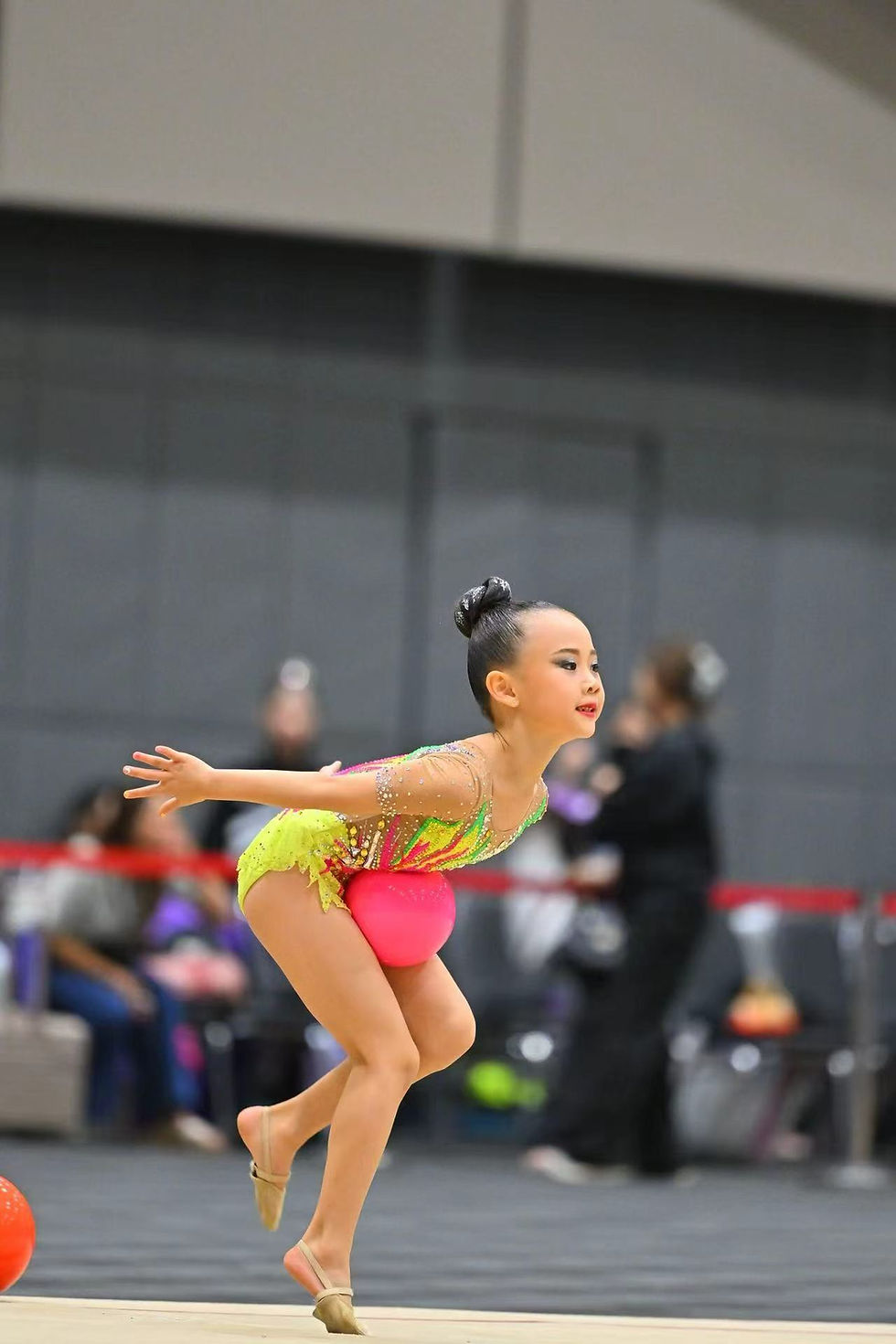
If you've been researching rhythmic gymnastics, you've probably come across the term FIG Rhythmic Gymnastics.
Many parents naturally ask:
What does FIG mean?
Is FIG only for elite athletes?
Does my child need FIG training to learn rhythmic gymnastics?
What's the difference between FIG gymnastics and recreational gymnastics?
Understanding the FIG system can help parents choose the right programme—not only for competition, but also for long-term child development.
At AWA Singapore, our curriculum is inspired by international FIG development principles, while focusing on recreational rhythmic gymnastics that allows children to enjoy the sport, build confidence, and develop healthy movement habits.
What Is FIG?
FIG stands for the Fédération Internationale de Gymnastique, also known as the International Gymnastics Federation.
Founded in 1881, FIG is the world's oldest international sports federation and serves as the governing body for gymnastics worldwide.
FIG oversees several disciplines, including:
Rhythmic Gymnastics
Artistic Gymnastics
Trampoline Gymnastics
Aerobic Gymnastics
Acrobatic Gymnastics
Parkour
For rhythmic gymnastics, FIG establishes:
Competition rules
Technical standards
Athlete development frameworks
Judging criteria
International competition regulations
Every Olympic rhythmic gymnastics competition follows FIG regulations.
What Is FIG Rhythmic Gymnastics?
FIG Rhythmic Gymnastics refers to rhythmic gymnastics performed under the official rules and technical standards established by the International Gymnastics Federation.
Elite athletes competing in events such as:
World Championships
Continental Championships
World Cups
Olympic Games
all follow the FIG Code of Points and technical requirements.
These competitions require years of intensive training, advanced physical preparation, and exceptional technical ability.
Does Every Child Need FIG-Level Training?
Absolutely not.
One of the biggest misconceptions is that children must train like elite athletes to benefit from rhythmic gymnastics.
In reality, most children participate in recreational rhythmic gymnastics, where the emphasis is on:
Healthy physical development
Confidence
Coordination
Flexibility
Creativity
Enjoyment
Children can experience all the wonderful benefits of rhythmic gymnastics without preparing for international competition.
How FIG Principles Benefit Recreational Gymnastics
Although AWA focuses on recreational programmes, our teaching philosophy is inspired by internationally recognised FIG development concepts.
Rather than copying elite training, we apply the most valuable principles in an age-appropriate way.
These include:
Building Strong Foundations
FIG athletes spend years mastering fundamental movement before learning advanced skills.
At AWA, children also begin with:
Balance
Flexibility
Body control
Core strength
Coordination
Proper posture
Strong foundations create healthier, safer, and more confident athletes.
Progressive Learning
One of FIG's key philosophies is progression.
Children should never skip important developmental stages.
Instead, skills are introduced gradually according to each child's:
Age
Physical development
Coordination
Confidence
Readiness
This reduces injury risk while helping children enjoy long-term success.
Quality Over Difficulty
Many parents believe learning more difficult skills means faster progress.
In reality, FIG coaching focuses on performing basic movements correctly before introducing advanced elements.
At AWA, we believe:
Perfecting fundamentals is more valuable than rushing difficult techniques.
Why Recreational Rhythmic Gymnastics Is the Right Choice for Most Families
Most parents aren't looking to raise Olympic athletes.
They're looking for activities that help children become:
Healthier
More confident
More active
More disciplined
More resilient
That's exactly where recreational rhythmic gymnastics excels.
Children enjoy:
Movement
Music
Apparatus
Creativity
Friendships
Personal achievement
without unnecessary competitive pressure.
What Children Learn at AWA
Inspired by international rhythmic gymnastics development standards, our programmes focus on helping children develop:
Physical Skills
Flexibility
Coordination
Balance
Strength
Posture
Body awareness
Personal Skills
Confidence
Discipline
Focus
Patience
Perseverance
Independence
Creative Skills
Musicality
Artistic expression
Performance confidence
Creativity
These qualities support children's development both inside and outside the gym.
Can Recreational Students Join Competitions Later?
Yes.
Children who build strong foundations through recreational training may choose to explore competitive opportunities in the future if they develop the interest and commitment.
Starting with recreational gymnastics does not limit future possibilities.
In fact, it often provides an excellent foundation for long-term development.
Why Parents Choose AWA Singapore
At AWA Singapore, we combine internationally inspired coaching with a child-centred philosophy.
Families choose AWA because we offer:
FIG-Inspired Development
Our curriculum follows internationally recognised principles while remaining appropriate for children's age and development.
Recreational First
We prioritise confidence, enjoyment, and healthy movement over early competition.
Professional Coaching
Our experienced coaches provide personalised guidance in a safe and encouraging environment.
Holistic Development
We help children develop not only gymnastics skills, but also confidence, resilience, discipline, creativity, and healthy lifelong habits.
Frequently Asked Questions
What does FIG stand for?
FIG stands for the Fédération Internationale de Gymnastique (International Gymnastics Federation), the governing body for gymnastics worldwide.
Is FIG rhythmic gymnastics only for elite athletes?
FIG sets the international rules for competitions, but many coaching principles—such as progressive learning and strong foundations—can benefit children at all levels.
Does my child need competition experience?
No.
Most children at AWA participate recreationally and enjoy the physical, social, and emotional benefits of rhythmic gymnastics without competing.
Is recreational rhythmic gymnastics still professional?
Absolutely.
Professional coaching is about teaching safely, systematically, and appropriately—not simply preparing children for competitions.
Helping Children Grow Through International Standards and Everyday Joy
FIG represents excellence in rhythmic gymnastics.
But childhood is about more than achieving elite performance.
It is about developing healthy bodies, confident minds, and a lifelong love of movement.
At AWA Singapore, we combine internationally inspired training principles with a warm, encouraging recreational environment where every child can thrive.
Whether your child dreams of performing beautifully, becoming more confident, or simply enjoying an active childhood, AWA provides a pathway designed for long-term growth—not just short-term results.
Book a Trial Class at AWA Singapore
Discover how FIG-inspired recreational rhythmic gymnastics can help your child develop confidence, coordination, flexibility, and a love for movement in a supportive and professional environment.
AWA SingaporeWhere Discipline Meets Warmth.


Comments