Is Rhythmic Gymnastics Good for My Child? 10 Reasons Why More Singapore Parents Are Choosing Rhythmic Gymnastics
- Victor Zhou
- 6 days ago
- 4 min read


Meta Title (SEO): Is Rhythmic Gymnastics Good for My Child? | Benefits of Rhythmic Gymnastics for Kids | AWA Singapore
Meta Description (SEO): Wondering if rhythmic gymnastics is right for your child? Discover the physical, emotional, and developmental benefits of rhythmic gymnastics and why more families in Singapore choose AWA.
Primary Keywords: Is rhythmic gymnastics good for my child, rhythmic gymnastics for kids, benefits of rhythmic gymnastics, kids rhythmic gymnastics Singapore, rhythmic gymnastics Singapore
Is Rhythmic Gymnastics Good for My Child?
Why More Singapore Parents Are Choosing Rhythmic Gymnastics for Healthy Childhood Development
As parents, we all want our children to grow into healthy, confident, and resilient individuals.
When searching for an extracurricular activity, many families ask:
Is rhythmic gymnastics good for my child?
Will my child enjoy rhythmic gymnastics?
Does rhythmic gymnastics offer more than flexibility?
Is rhythmic gymnastics suitable for beginners?
The answer is yes—for many children, rhythmic gymnastics is one of the most well-rounded activities available.
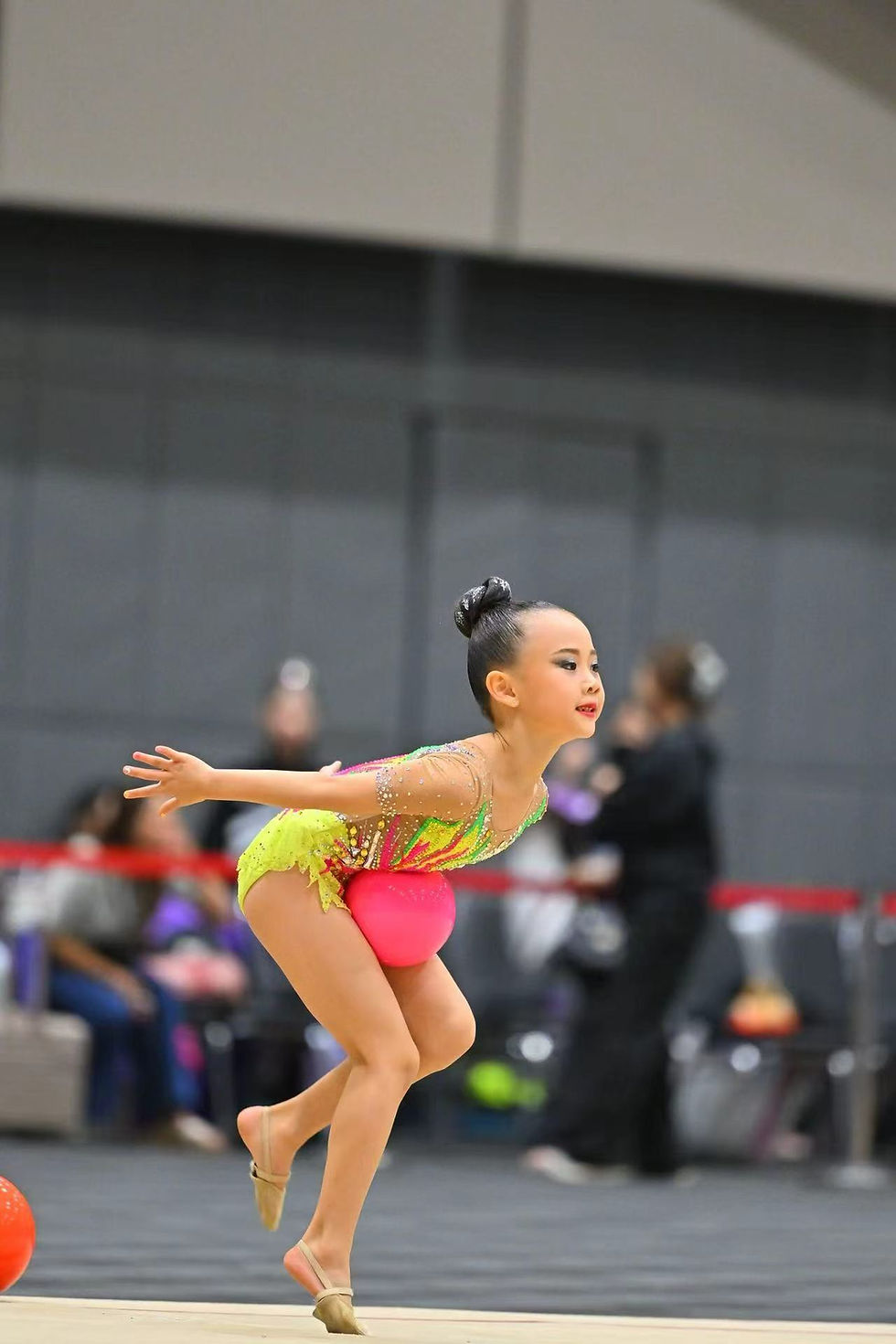
At AWA Singapore, we believe rhythmic gymnastics is about much more than beautiful routines. It helps children develop healthy movement habits, confidence, discipline, creativity, and lifelong physical literacy in a fun and supportive environment.
What Is Rhythmic Gymnastics?
Rhythmic gymnastics is a unique sport that combines elements of:
Dance
Ballet
Gymnastics
Music
Artistic expression
Children gradually learn movements using apparatus such as:
Ribbon
Hoop
Ball
Clubs
Rope
Unlike many traditional sports, rhythmic gymnastics develops both athletic ability and artistic confidence, making it one of the most comprehensive activities for young children.
1. Rhythmic Gymnastics Builds Confidence
Many children join their first class feeling shy or uncertain.
Through consistent practice, they begin to notice small improvements:
Holding a balance longer
Learning a new movement
Catching an apparatus successfully
Performing confidently in front of others
These achievements teach children an important lesson:
Progress comes through effort.
Real confidence is built by overcoming challenges—not by being naturally talented.
2. It Improves Posture and Body Awareness
Today's children spend more time sitting than ever before.
School, homework, and screen time often contribute to:
Rounded shoulders
Poor posture
Weak core muscles
Rhythmic gymnastics encourages:
Proper alignment
Strong core stability
Better balance
Graceful movement
Healthy posture
These habits benefit children long after they leave the gym.
3. It Develops Flexibility Safely
Many parents think rhythmic gymnastics is only about flexibility.
In reality, flexibility is developed gradually through structured, age-appropriate training.
Professional coaching helps children improve:
Hip mobility
Shoulder flexibility
Leg flexibility
Overall movement quality
Safe progression is always more important than achieving quick results.
4. Rhythmic Gymnastics Strengthens the Whole Body
Beautiful movement requires strong muscles.
Children gradually develop:
Core strength
Balance
Coordination
Stability
Body control
These physical foundations support healthy development and reduce the risk of injury.
5. Children Learn Focus and Discipline
Every rhythmic gymnastics class requires children to:
Listen carefully
Follow instructions
Practise consistently
Stay focused
Complete movement sequences
These habits naturally improve concentration and self-discipline—skills that also benefit academic learning.
6. It Encourages Creativity
Rhythmic gymnastics is not only about physical performance.
Children also learn to:
Move with music
Express emotions
Develop rhythm
Perform confidently
This creative element helps children become expressive, imaginative, and comfortable presenting themselves.
7. It Builds Resilience
Every child experiences setbacks.
Some movements take longer to master.
Some skills require repeated practice.
Through this process, children learn:
Patience
Perseverance
Problem-solving
Emotional resilience
These qualities become valuable life skills beyond sport.
8. It Improves Social Skills
Rhythmic gymnastics classes provide opportunities for children to:
Work with teammates
Encourage one another
Respect coaches
Celebrate each other's progress
Children develop friendships while learning valuable communication and teamwork skills.
9. It's Suitable for Beginners
One of the biggest misconceptions is that children need to be naturally flexible before joining.
They don't.
Most children begin with little or no gymnastics experience.
At AWA Singapore, our Beginner and Junior programmes are specifically designed for children who are new to rhythmic gymnastics.
Every child progresses at their own pace in a supportive environment.
10. It Supports Long-Term Healthy Development
The greatest benefit of rhythmic gymnastics isn't preparing children for competitions.
It's helping them develop habits that support lifelong wellbeing.
Children build:
Healthy posture
Strong coordination
Active lifestyles
Confidence
Discipline
Positive attitudes towards movement
These benefits continue long after childhood.
Is Rhythmic Gymnastics Right for Every Child?
Rhythmic gymnastics is especially suitable for children who:
Enjoy movement and music
Need more physical activity
Want to improve posture
Are shy and need confidence
Want to improve flexibility
Need help developing focus
Enjoy creative expression
Children do not need previous sports experience to begin.
Why More Families Choose AWA Singapore
At AWA Singapore, we focus on Recreational Rhythmic Gymnastics, helping children enjoy movement while building strong physical and emotional foundations.
Our programmes are designed around international coaching principles with a child-centred approach.
Families choose AWA because we provide:
International Coaching
Experienced coaches who understand child development and modern rhythmic gymnastics teaching methods.
Beginner-Friendly Classes
No experience required.
Children learn through structured, age-appropriate programmes.
Holistic Development
Beyond gymnastics skills, children also develop:
Confidence
Discipline
Creativity
Focus
Coordination
Healthy posture
Emotional resilience
Positive Learning Environment
We believe children learn best when they feel safe, encouraged, and supported.
Our philosophy is simple:
Where Discipline Meets Warmth.
Frequently Asked Questions
Is rhythmic gymnastics good for beginners?
Yes.
Most children begin with no previous experience. Professional coaching helps them develop confidence and skills gradually.
Does my child need to be flexible?
No.
Flexibility develops naturally through regular training and proper guidance.
What age should children start rhythmic gymnastics?
Many children begin between 3 and 6 years old, although beginners of all ages are welcome.
Is rhythmic gymnastics only for children who want to compete?
Not at all.
Most children participate recreationally to improve confidence, coordination, posture, and overall fitness.
Give Your Child the Opportunity to Grow
Every child deserves an activity that supports both physical and personal development.
Rhythmic gymnastics is not simply about learning beautiful movements.
It's about helping children become healthier, stronger, more confident, and more resilient.
At AWA Singapore, we're committed to helping every child discover the joy of movement while building skills that last a lifetime.
Whether your child dreams of performing or simply wants to stay active and confident, rhythmic gymnastics provides an excellent foundation for lifelong growth.
Book a Trial Class Today
Looking for rhythmic gymnastics classes in Singapore?
Join AWA Singapore and discover why more families are choosing recreational rhythmic gymnastics to support their children's confidence, health, and happiness.
AWA SingaporeWhere Discipline Meets Warmth.


Comments