Joining Rhythmic Gymnastics Training Clubs in Singapore
- Victor Zhou
- Jul 3
- 4 min read

Embarking on the journey of rhythmic gymnastics offers a unique blend of athleticism, artistry, and discipline. In Singapore, the opportunity to join a rhythmic gymnastics training club presents aspiring gymnasts with a structured environment to cultivate these qualities. The decision to engage in such a club is not merely about physical activity; it is an investment in personal growth, skill development, and cultural enrichment. This article explores the essential aspects of joining a rhythmic gymnastics training club in Singapore, providing practical insights and guidance for those ready to take this graceful leap.
Exploring Rhythmic Gymnastics Training Clubs in Singapore
Singapore boasts a variety of rhythmic gymnastics training clubs, each dedicated to nurturing talent and fostering a love for the sport. These clubs offer comprehensive programs that balance technical skill acquisition with creative expression. Typically, training sessions include apparatus handling—such as ribbons, hoops, balls, clubs, and ropes—combined with dance and flexibility exercises.
When selecting a club, it is crucial to consider several factors:
Coaching Expertise: Experienced coaches with a background in competitive rhythmic gymnastics can provide tailored guidance and mentorship.
Training Facilities: Adequate space, proper flooring, and access to necessary equipment enhance the training experience.
Program Structure: Clubs that offer progressive levels of training, from beginner to advanced, allow gymnasts to develop at a comfortable yet challenging pace.
Community and Culture: A supportive environment encourages camaraderie and motivation among gymnasts.
For example, Angels Wing Academy exemplifies these qualities by emphasizing discipline, artistry, and cultural exchange. Their programs are designed to prepare gymnasts for both local and international stages, ensuring a holistic development approach.
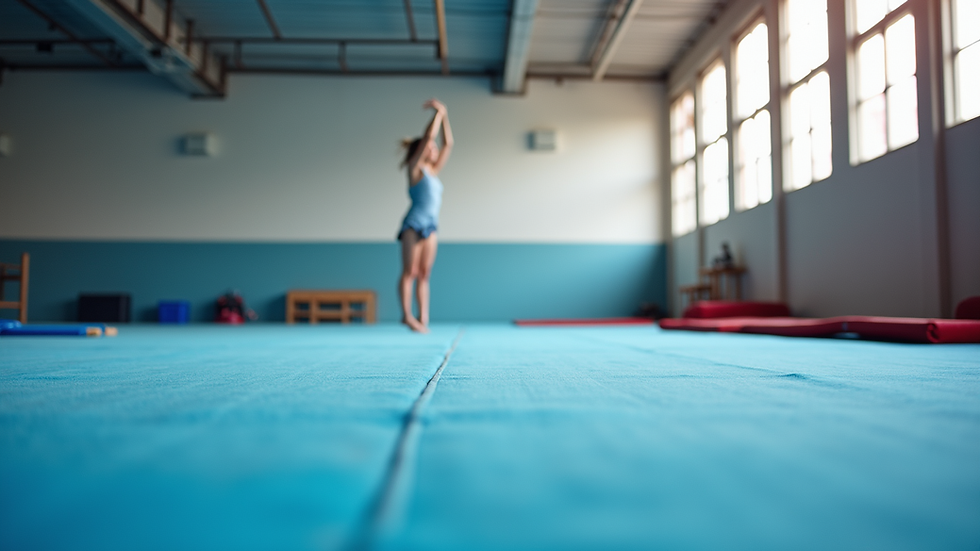
Training facilities equipped for rhythmic gymnastics practice
What Age Is Best to Start Rhythmic Gymnastics?
Determining the optimal age to begin rhythmic gymnastics is a common consideration. Generally, children between the ages of 4 and 7 are ideal candidates to start training. At this stage, young gymnasts possess the flexibility and coordination necessary to grasp fundamental movements and apparatus handling.
Starting early offers several advantages:
Foundation Building: Early training establishes essential motor skills and body awareness.
Flexibility Development: Younger bodies adapt more readily to the flexibility demands of the sport.
Long-Term Progression: Early exposure allows for gradual skill advancement, reducing the risk of injury.
However, it is important to recognize that rhythmic gymnastics welcomes beginners of various ages. Older beginners can also achieve significant progress with dedicated coaching and consistent practice. The key lies in selecting a club that accommodates different starting points and provides personalized training plans.
The Benefits of Joining a Rhythmic Gymnastics Club
Participation in a rhythmic gymnastics club extends beyond physical fitness. The sport cultivates a range of attributes that contribute to personal and social development:
Discipline and Focus: Regular training instills a strong work ethic and concentration.
Artistic Expression: Gymnasts learn to convey emotion and storytelling through movement.
Confidence Building: Performing routines in front of audiences enhances self-assurance.
Teamwork and Social Skills: Group training fosters friendships and collaborative spirit.
Cultural Appreciation: Exposure to international styles and competitions broadens cultural understanding.
Moreover, rhythmic gymnastics encourages a balanced lifestyle, combining physical activity with mental resilience. The structured environment of a club supports goal setting and achievement, which can translate into other areas of life.

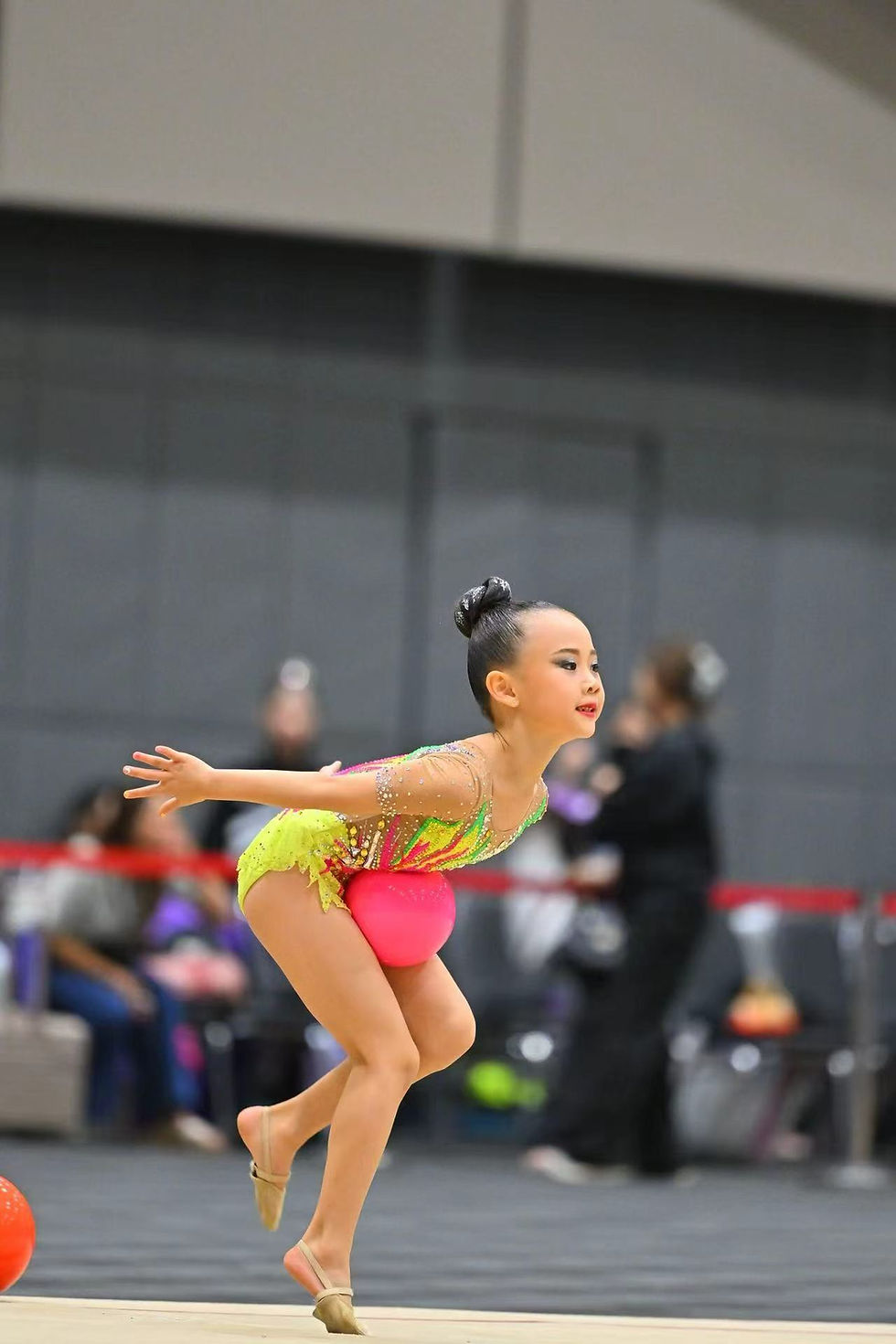
Ribbon apparatus, a key element in rhythmic gymnastics routines
How to Choose the Right Rhythmic Gymnastics Club
Selecting the appropriate rhythmic gymnastics club requires careful consideration. Prospective gymnasts and their guardians should evaluate the following criteria:
Reputation and Track Record: Research the club’s history in training successful gymnasts and participation in competitions.
Trial Classes: Attend introductory sessions to assess coaching style and club atmosphere.
Location and Schedule: Ensure the club’s location and training times align with personal convenience.
Cost and Commitment: Understand the fee structure and time commitment required.
Safety and Welfare: Confirm that the club adheres to safety standards and promotes a positive environment.
Engaging with current members and reading testimonials can provide valuable insights. Additionally, visiting the club’s website or social media pages offers a glimpse into their philosophy and achievements.
Preparing for Your First Training Session
Preparation is key to a positive initial experience in rhythmic gymnastics training. Consider the following recommendations:
Appropriate Attire: Wear comfortable, form-fitting clothing that allows freedom of movement.
Basic Equipment: Some clubs provide apparatus, but owning personal equipment may be encouraged.
Physical Readiness: Engage in light stretching and warm-up exercises before sessions.
Mental Preparation: Set realistic goals and maintain an open, eager mindset.
Parental Support: Guardians should encourage and support consistent attendance and practice.
Arriving early to familiarize oneself with the environment and meet coaches can alleviate anxiety. Maintaining communication with instructors about any concerns or special needs ensures a tailored training experience.
Embracing the Journey of Rhythmic Gymnastics
Joining a rhythmic gymnastics training club in Singapore represents a commitment to excellence, artistry, and personal growth. The path is marked by dedication, perseverance, and the joy of mastering graceful movements. Through structured training, supportive communities, and expert coaching, gymnasts can unlock their full potential and aspire to compete on prestigious platforms.
The rhythmic gymnastics club environment nurtures not only athletic prowess but also character development. It is a space where discipline meets creativity, and where young talents are shaped into confident performers ready to embrace challenges beyond the gymnasium.
Aspiring gymnasts embarking on this journey will find that the rewards extend far beyond medals and accolades. They gain lifelong skills, friendships, and a profound appreciation for the beauty of movement.


Comments