Selecting Rhythmic Gymnastics Clubs: A Guide to Making the Right Choice
- Victor Zhou
- Jun 22
- 4 min read

Choosing the right environment to nurture a budding rhythmic gymnast is a decision that carries profound implications. The journey from a novice to a confident performer on the international stage is shaped not only by talent and dedication but also by the quality of training and support received. Selecting a rhythmic gymnastics club is a pivotal step that demands careful consideration, insight, and a clear understanding of what constitutes excellence in this unique sport.
The Importance of Selecting Rhythmic Gymnastics Clubs with Care
The decision to enrol in a rhythmic gymnastics club is more than a mere logistical choice; it is an investment in a young athlete’s future. The right club provides a foundation of discipline, artistry, and technical skill, all of which are essential for success. It is within these walls that gymnasts learn to harmonise strength with grace, precision with creativity.
When selecting rhythmic gymnastics clubs, one must evaluate several critical factors:
Coaching Expertise: The calibre of coaches is paramount. Experienced coaches with a track record of developing talent can tailor training to individual needs, fostering growth and confidence.
Facilities and Equipment: Adequate space, quality apparatus, and a safe environment contribute significantly to effective training.
Training Philosophy: A club’s approach to balancing competition, personal development, and enjoyment influences a gymnast’s long-term engagement.
Community and Culture: A supportive atmosphere encourages resilience and camaraderie, essential for enduring the rigours of the sport.
By weighing these elements, one can discern which clubs align best with the aspirations and values of the gymnast.
What Age is Best to Start Rhythmic Gymnastics?
Understanding the optimal age to begin rhythmic gymnastics is crucial for maximising potential. Generally, children as young as four or five years old can start foundational classes. At this stage, emphasis is placed on developing flexibility, coordination, and basic motor skills through playful and engaging activities.
Starting early offers several advantages:
Physical Adaptability: Young bodies are more pliable, allowing for easier acquisition of flexibility and balance.
Cognitive Absorption: Early exposure to rhythmic patterns and routines enhances memory and concentration.
Long-Term Skill Development: A gradual progression from basic to advanced techniques ensures a solid technical base.
However, it is equally important to recognise that rhythmic gymnastics welcomes beginners at various ages. Clubs that offer tailored beginner programmes for older children or even teenagers provide opportunities for late starters to thrive.
Parents and guardians should seek clubs that assess readiness individually and provide nurturing environments that respect each gymnast’s pace of development.
Evaluating Coaching Quality and Training Programmes
The heart of any rhythmic gymnastics club lies in its coaching staff and the structure of its training programmes. Coaches are mentors, motivators, and technical guides who shape the athlete’s journey. Therefore, their qualifications, experience, and teaching style warrant thorough scrutiny.
Key considerations include:
Certifications and Experience: Coaches should possess recognised certifications and a history of successful athlete development.
Individual Attention: Smaller class sizes or personalised coaching sessions enable tailored feedback and skill refinement.
Progressive Curriculum: Training programmes should be well-structured, advancing from fundamental skills to complex routines systematically.
Emphasis on Artistic Expression: Beyond physical prowess, rhythmic gymnastics demands artistry. Coaches who encourage creativity and musicality enrich the gymnast’s performance quality.
Observing a trial class or speaking with current members can provide valuable insights into coaching dynamics and programme effectiveness.
Assessing Facilities and Safety Standards
The physical environment in which training occurs significantly impacts both performance and well-being. A club’s facilities must meet high standards to support rigorous practice while ensuring safety.
Important aspects to evaluate include:
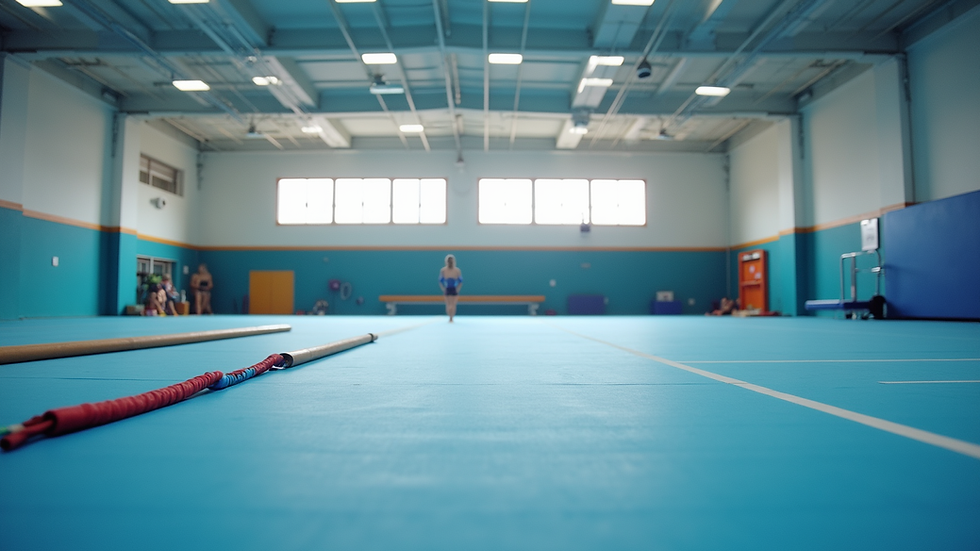
Training Space: The area should be spacious enough to accommodate full routines without obstruction.
Flooring: Proper sprung floors reduce injury risk and enhance performance.
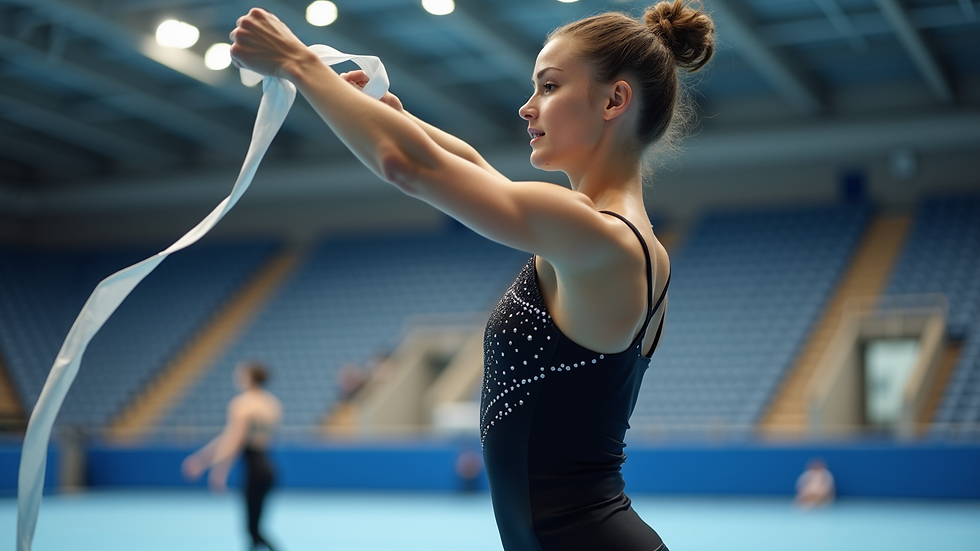
Equipment Quality: Apparatus such as hoops, balls, ribbons, and clubs should be well-maintained and appropriate for various skill levels.
Safety Protocols: Emergency procedures, first aid availability, and cleanliness are non-negotiable.
Visiting the club to inspect these elements firsthand allows for an informed assessment of the environment’s suitability.
Understanding the Club’s Competitive and Developmental Opportunities
A rhythmic gymnastics club’s commitment to competition and athlete development shapes the gymnast’s experience and growth trajectory. Some clubs focus heavily on competitive success, while others prioritise holistic development and enjoyment.
When considering a club, reflect on:
Competition Levels Offered: Does the club participate in local, national, or international competitions? Are there clear pathways for advancement?
Support for Mental and Physical Health: Are there resources for injury prevention, nutrition, and psychological support?
Cultural and Artistic Enrichment: Does the club encourage participation in workshops, cultural exchanges, or performance opportunities beyond competition?
Parental Involvement and Communication: Transparent communication fosters trust and collaboration between coaches and families.
Selecting a club that aligns with the gymnast’s ambitions and values ensures a fulfilling and sustainable engagement with the sport.
Embracing the Journey with the Right Rhythmic Gymnastics Club
The path to rhythmic gymnastics excellence is a blend of dedication, skill, and the right support system. Choosing a rhythmic gymnastics club that embodies professionalism, passion, and a commitment to nurturing talent is essential. Such a club not only hones physical abilities but also cultivates discipline, artistry, and confidence.
By carefully considering coaching quality, facilities, training philosophy, and developmental opportunities, one can make a choice that empowers the gymnast to flourish. This decision marks the beginning of a transformative journey - one that shapes character, fosters resilience, and opens doors to the world stage.
Selecting the right club is not merely about training; it is about embracing a community dedicated to excellence and growth. With thoughtful deliberation and clear priorities, the ideal rhythmic gymnastics club awaits to inspire and elevate the next generation of performers.


Comments