Youth Gymnastics Classes Tailored for Singapore
- Victor Zhou
- Jul 7
- 5 min read

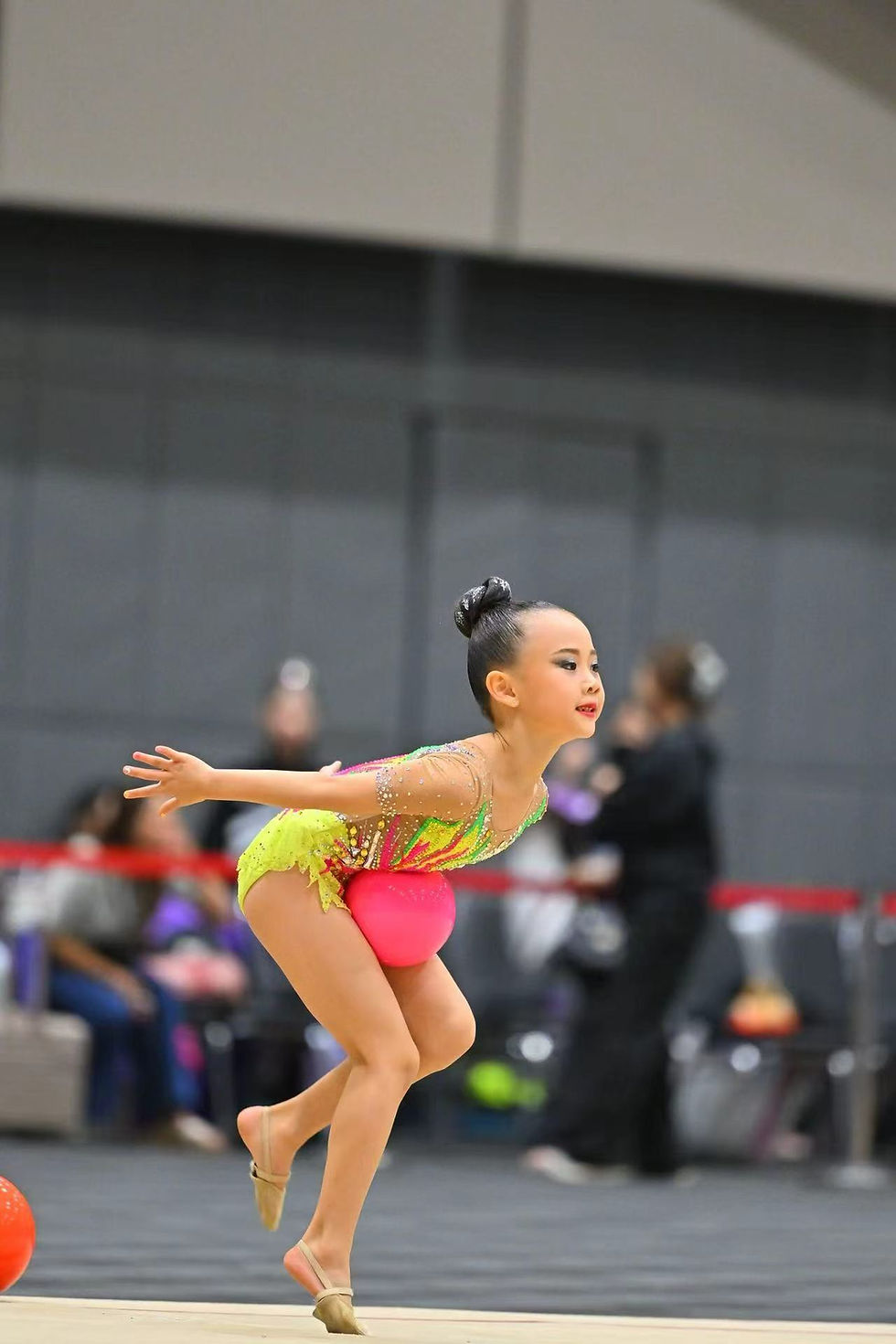
Gymnastics, a discipline that combines strength, flexibility, and grace, holds a special place in the development of young athletes. In Singapore, the rise of rhythmic gymnastics has inspired a growing number of children to pursue this elegant sport. The availability of youth gymnastics classes tailored specifically for Singapore’s unique cultural and educational environment offers an exceptional opportunity for aspiring gymnasts to flourish. These programmes are designed not only to cultivate physical skills but also to nurture discipline, artistry, and confidence, preparing young talents for both local and international stages.
The Importance of Youth Gymnastics Classes in Singapore
Youth gymnastics classes in Singapore serve as a vital foundation for children interested in rhythmic gymnastics. These classes emphasize a balanced approach, integrating physical training with artistic expression. The structured environment encourages young gymnasts to develop core skills such as balance, coordination, and flexibility, while also fostering creativity through choreographed routines.
Singapore’s educational system and cultural values place a strong emphasis on discipline and perseverance. Youth gymnastics classes align perfectly with these principles, offering a constructive outlet for energy and ambition. The classes are often segmented by age and skill level, ensuring that each child receives instruction appropriate to their developmental stage. This tailored approach helps maintain motivation and reduces the risk of injury, which is crucial for long-term engagement in the sport.
Moreover, these classes provide a social platform where children can build friendships and learn teamwork. The supportive atmosphere encourages mutual respect and camaraderie, essential qualities for any athlete aiming to succeed in competitive gymnastics.

Key Features of Youth Gymnastics Classes
Youth gymnastics classes in Singapore are characterized by several distinctive features that set them apart from generic training programmes. These features ensure that the training is comprehensive, culturally relevant, and aligned with international standards.
Progressive Skill Development: Classes are designed to progress from basic movements to complex routines. Beginners focus on fundamental skills such as handstands, cartwheels, and flexibility exercises. As gymnasts advance, they learn apparatus handling, dance elements, and performance techniques.
Qualified Coaching Staff: Coaches in Singapore’s youth gymnastics classes are often certified professionals with experience in both national and international competitions. Their expertise ensures that training methods are safe, effective, and up-to-date with the latest trends in rhythmic gymnastics.
Cultural Sensitivity and Inclusivity: Recognizing Singapore’s multicultural society, programmes incorporate music and choreography that reflect diverse cultural backgrounds. This inclusivity enriches the gymnasts’ experience and broadens their artistic horizons.
Holistic Development: Beyond physical training, classes emphasize mental resilience, goal-setting, and time management. These life skills are invaluable for young athletes balancing academics and sports.
Competitive Opportunities: Many programmes offer pathways to local and international competitions, providing gymnasts with the chance to showcase their talents and gain valuable experience.
Parents and guardians can expect a well-rounded curriculum that not only hones athletic ability but also nurtures character and confidence.
What level should a 10 year old be in gymnastics?
Determining the appropriate level for a 10-year-old gymnast depends on several factors, including prior experience, physical development, and individual aptitude. Generally, by the age of 10, a gymnast should have mastered foundational skills and be ready to engage in more advanced techniques.
At this stage, gymnasts typically:
Demonstrate proficiency in basic tumbling skills such as round-offs, back handsprings, and cartwheels.
Exhibit improved flexibility and strength, enabling them to perform splits, leaps, and balances with greater control.
Begin learning apparatus handling, including ribbons, hoops, and balls, which are essential in rhythmic gymnastics.
Understand the importance of choreography and musicality, integrating these elements into their routines.
Participate in beginner to intermediate level competitions, gaining exposure to performance pressure and judging criteria.
It is important to note that progression is highly individual. Some 10-year-olds may be ready for intermediate or advanced classes, while others benefit from continued focus on fundamentals. Coaches assess each gymnast’s readiness through regular evaluations, ensuring that training remains both challenging and safe.
Parents should seek programmes that offer clear level descriptions and personalized feedback. This approach helps maintain motivation and supports steady improvement.

Integrating Youth Gymnastics Programmes into Singapore’s Sporting Landscape
Singapore’s commitment to nurturing young athletes is evident in the increasing support for youth gymnastics programmes. These initiatives are integrated into the broader sporting ecosystem, complementing school sports and community activities.
One notable aspect is the collaboration between gymnastics academies and educational institutions. Schools often encourage participation in gymnastics as part of their co-curricular activities, providing access to facilities and qualified instructors. This synergy allows children to balance academic responsibilities with athletic pursuits effectively.
Furthermore, government agencies and sports councils offer funding and resources to support talent development. Scholarships and grants are available for promising gymnasts, enabling them to access advanced training and international exposure.
The presence of well-structured youth gymnastics programmes also contributes to Singapore’s reputation on the global stage. By fostering early talent and providing continuous development opportunities, these programmes help produce athletes capable of competing at prestigious events such as the Southeast Asian Games and World Championships.
For parents and aspiring gymnasts, understanding how these programmes fit within the national sports framework is essential. It allows for informed decisions regarding training pathways and long-term goals.
Practical Tips for Choosing the Right Youth Gymnastics Classes
Selecting the most suitable youth gymnastics classes requires careful consideration of several factors. The right choice can significantly influence a child’s enjoyment and success in the sport.
Assess Coaching Credentials: Verify the qualifications and experience of the coaching staff. Coaches with a background in rhythmic gymnastics and competitive experience are preferable.
Evaluate Class Structure: Look for programmes that offer clear progression levels, small class sizes, and personalized attention. This ensures that each gymnast receives appropriate guidance.
Consider Location and Schedule: Convenience is important for consistent attendance. Choose classes that fit well with the family’s routine and are accessible.
Observe Training Environment: A safe, well-equipped facility with a positive atmosphere encourages learning and confidence.
Review Programme Philosophy: Ensure the programme emphasizes holistic development, including physical skills, mental resilience, and artistic expression.
Seek Feedback and Reviews: Talk to other parents and gymnasts to gain insights into the programme’s reputation and effectiveness.
Trial Classes: Many academies offer trial sessions. Participating in these can help determine if the class matches the child’s interests and abilities.
By applying these criteria, parents can make informed decisions that support their child’s growth in rhythmic gymnastics.
Embracing the Journey of Rhythmic Gymnastics in Singapore
The journey through youth gymnastics classes is one of dedication, growth, and artistic discovery. Singapore’s tailored programmes provide a nurturing environment where young gymnasts can develop their skills and character simultaneously. The integration of cultural elements, expert coaching, and competitive opportunities creates a comprehensive framework for success.
Engaging in youth gymnastics programmes offers more than just physical training; it instills values of discipline, perseverance, and creativity. These qualities extend beyond the gymnasium, shaping confident individuals ready to face challenges on and off the mat.
As the sport continues to gain prominence in Singapore, the future looks promising for aspiring rhythmic gymnasts. With the right guidance and support, young talents can aspire to reach international excellence, proudly representing their nation on the world stage.
The path is demanding yet rewarding, and every step taken in these youth gymnastics classes brings one closer to the pinnacle of rhythmic gymnastics artistry and athleticism.


Comments